

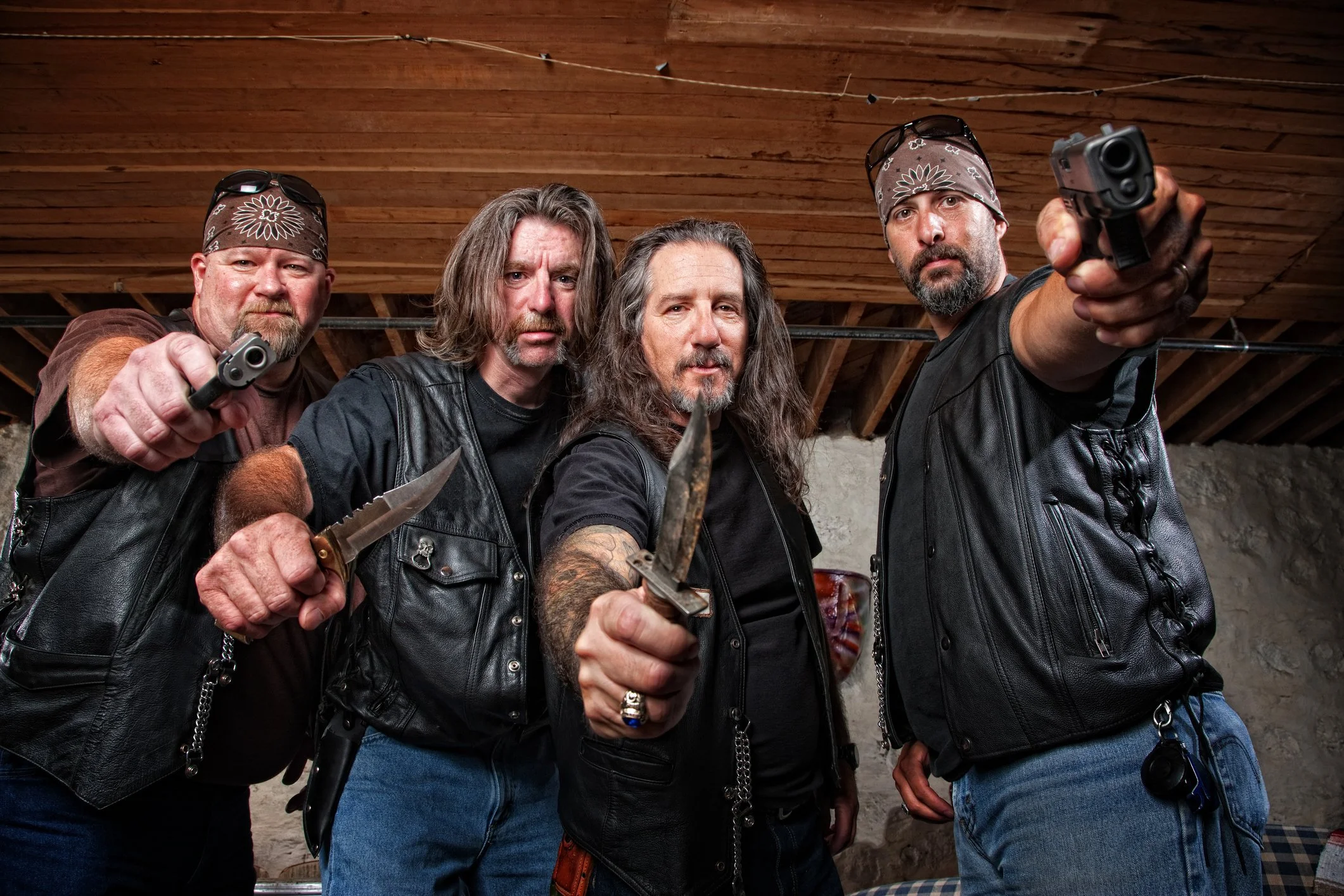
FIGHTING BIKER BIAS IN MOTORCYCLE ACCIDENT CLAIMS
How Motorcyclists Are Often Blamed — Even When They Did Nothing Wrong
Motorcyclists are frequently treated differently after traffic crashes. Even when a rider is obeying the law, riding responsibly, and doing everything reasonably possible to avoid a collision, fault is often shifted toward the rider.
This bias is rarely stated outright. Instead, it appears in assumptions, narratives, and decision‑making throughout the claims process.
McCarthy Motorcycle Law is a Wisconsin motorcycle accident and wrongful death law firm focused exclusively on serious motorcycle cases. This page explains how bias against motorcyclists arises, how it affects claims, and why addressing it requires experience and preparation.
WHERE BIKER BIAS COMES FROM
Bias against motorcyclists typically appears in predictable forms:
Assumptions that the rider was reckless
Claims that the motorcycle “came out of nowhere”
Suggestions that riding itself involves assumed risk
Overemphasis on visibility rather than driver inattention
Focus on gear choices instead of driver conduct
These assumptions can influence police reports, insurance evaluations, and how fault is framed long before a case is resolved.
“I DIDN’T SEE THE MOTORCYCLE” EXPLANATIONS
One of the most common explanations given by drivers after motorcycle crashes is that they “didn’t see” the rider. This explanation frequently appears in:
Failure to perceive a motorcycle does not excuse unsafe driving. Under Wisconsin law, drivers have a duty to look for and yield to motorcycles the same way they do for other vehicles.
POLICE REPORTS AND INITIAL ASSUMPTIONS
Police officers work under time pressure and must make rapid assessments at crash scenes. Not all officers have training in motorcycle dynamics, braking distances, or visibility profiles.
As a result:
Speed may be assumed rather than measured
Motorcycle positioning may be misinterpreted
Driver statements may receive greater emphasis
Police reports are important records, but they are not final determinations of fault. In motorcycle cases, reports often require further context.
HOW INSURANCE COMPANIES EVALUATE MOTORCYCLE CLAIMS
Insurance carriers routinely evaluate motorcycle claims differently than automobile claims. Adjusters are trained to consider whether a rider:
Was traveling faster than surrounding traffic
Was wearing protective gear
Could have avoided the collision
Accepted increased risk by riding
These considerations are often raised even when they are unsupported by evidence. Their practical effect is frequently to reduce claim value through comparative negligence arguments.
JURY PERCEPTION IN MOTORCYCLE CASES
Bias can also exist at the jury level. Most jurors do not ride motorcycles and may underestimate:
How easily motorcycles can be obscured
How limited reaction time often is for riders
How severe injuries can be at relatively low speeds
Motorcycle cases require careful explanation of facts and evidence so decisions are based on reality rather than assumptions.
WHAT ACTUALLY MATTERS IN MOTORCYCLE LIABILITY ANALYSIS
Proper fault analysis focuses on evidence, not stereotypes. Relevant considerations include:
Vehicle speed and spacing
Sightlines and visibility
Driver attentiveness and decision‑making
Road conditions and traffic controls
Physical evidence from the scene
Expert analysis where appropriate
Bias is addressed by grounding claims in proof rather than narrative.
How bias is addressed in any specific case depends on the facts, the evidence, and the forum, and is not something that can be reduced to a checklist or formula.
FACTORS THAT OFTEN AFFECT HOW CLAIMS ARE EVALUATED
While no rider can eliminate bias entirely, certain factors commonly influence how motorcycle claims are viewed:
The presence of objective evidence
Early documentation of injuries
Consistency of statements across records
Preservation of motorcycle and gear
The experience level of the professionals involved
These factors do not determine outcomes by themselves, but they often shape how claims are assessed.
WHY MOTORCYCLE‑FOCUSED REPRESENTATION MATTERS
Motorcycle accident cases are not simply car accident cases involving different vehicles. They involve distinct liability issues, injury mechanisms, and defense strategies.
Firms that regularly handle motorcycle litigation understand:
How bias enters claims
When comparative fault is being overstated
How motorcycle conduct is mischaracterized
Why technical evidence matters
Addressing bias requires preparation, experience, and an understanding of how these cases are actually evaluated.
WHEN TO SEEK LEGAL GUIDANCE
Legal guidance is particularly important when:
Fault is disputed
Injuries are serious or permanent
Insurers shift blame to the rider
Helmet use or assumed‑risk arguments are raised
A fatality has occurred
Early involvement can materially affect how a claim is handled and resolved.
TALK TO A WISCONSIN MOTORCYCLE ACCIDENT LAWYER
If you believe bias is affecting your motorcycle accident or wrongful death claim, you deserve clear answers about your rights and options.
McCarthy Motorcycle Law offers free, confidential case evaluations for injured riders and families throughout Wisconsin. Our focus is ensuring that motorcycle cases are evaluated on evidence — not stereotypes.