

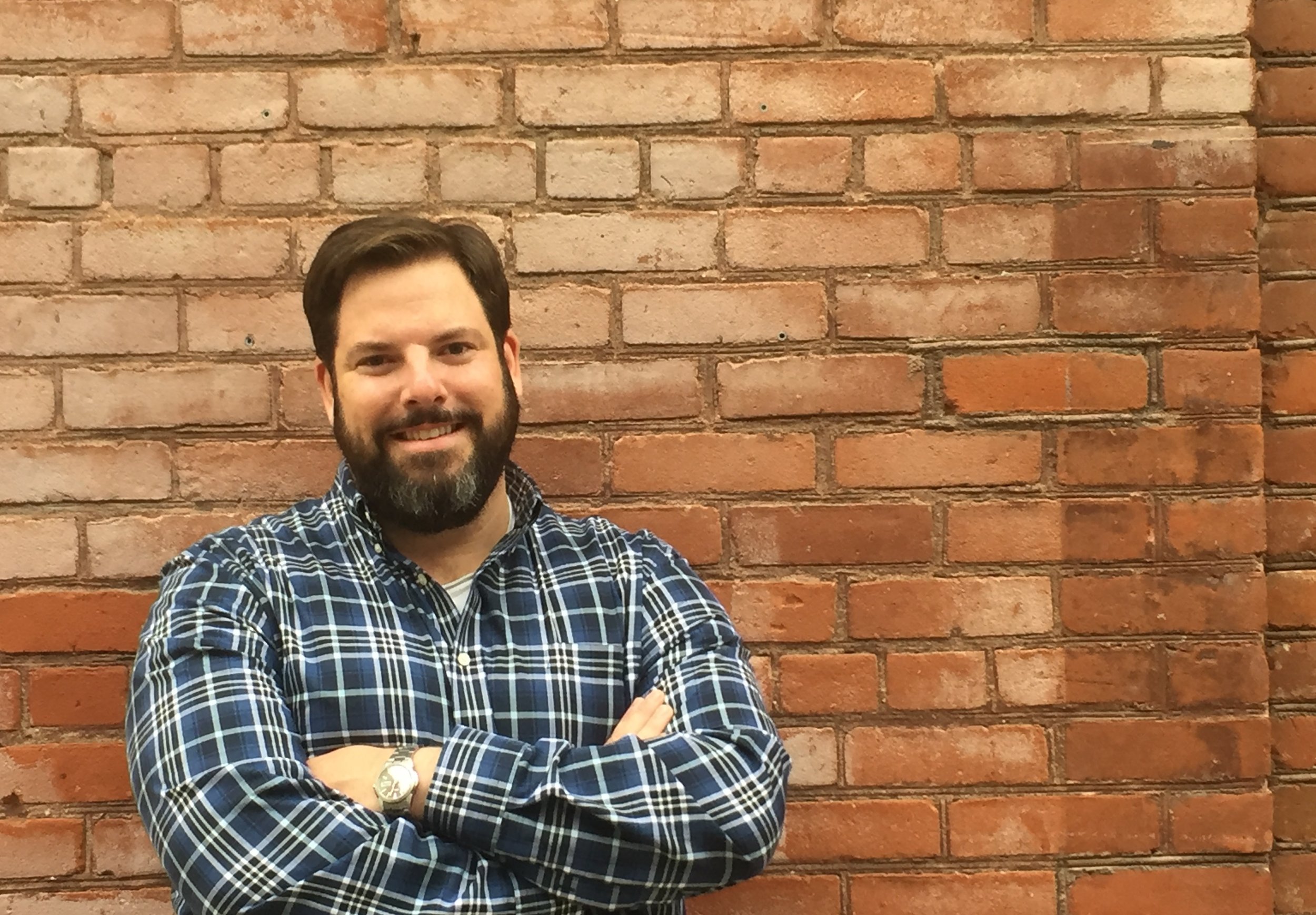
John McCarthy
Wisconsin’s Motorcycle Accident and Wrongful Death Lawyer
John McCarthy is a trial lawyer who represents injured motorcyclists and families after serious and fatal motorcycle crashes throughout Wisconsin.
Today, John focuses almost exclusively on Wisconsin wrongful death and motorcycle accident cases.
Motorcycle cases are not a small part of his practice.
They are the reason McCarthy Motorcycle Law exists.
He did not set out to become a motorcycle lawyer. The road that led him here started long before law school.
A Rider Before He Was a Lawyer
John grew up in a small town in California where motorcycles were simply part of life. Like a lot of kids, he spent countless hours riding 50cc dirt bikes, exploring roads, trails, and whatever else seemed worth discovering. Over time, those early rides turned into a lifelong appreciation for motorcycles and the people who ride them.
Years later, a friend introduced him to a 1964 Triumph Tiger 100 and the kind of riding that stays with you. The twisties. The long roads through lonely valleys. The feeling of freedom, independence, and connection that riders understand but often struggle to put into words.
Motorcycles became more than transportation. They became part of who he was.
After he read Jupiter’s Travels, John thought he had retirement all figured out. His plan was simple: a Triumph motorcycle, a sailboat, and the freedom to wander wherever the road or the water happened to lead.
Then he met his wife.
She hated bikes.
She hated boats.
But he loved her more than anything.
So the plan changed.
He got married, built a career, and started a family.
Although he eventually stopped riding motorcycles, he never lost his connection to motorcycles or the people who ride them.
How John Found Wisconsin
At the same time, John was developing another lifelong interest: standing up for people who needed someone in their corner. That interest eventually led him to law school, where he met Clay Griessmeyer. The two became close friends and remained close long after graduation.
Although their careers took them to different parts of the country, they shared many of the same values. Both grew up in small towns. Both believed the law should protect ordinary people rather than powerful interests. Both understood that vulnerable road users often face an uphill battle after serious crashes.
After law school, John built a litigation practice in California while Clay established a respected practice in Wisconsin representing injured bicyclists and other vulnerable road users. Over the years, they frequently found themselves discussing cases, litigation strategy, and the challenges faced by people on two wheels. The more they talked, the more obvious the overlap became.
Motorcyclists and bicyclists are different in many ways, but they often face the same assumptions after a crash. Both are vulnerable. Both are frequently blamed before the facts are known. Both are forced to fight misconceptions that can affect insurance claims, settlement negotiations, and jury verdicts.
As Clay’s Wisconsin bicycle accident practice continued to grow and John became increasingly focused on motorcycle litigation, they found themselves working together more often. Before long, representing Wisconsin riders became a natural extension of the friendship and professional relationship they had built over years.
The more John worked with Wisconsin riders, the more he appreciated Wisconsin’s motorcycle community. It reminded him of the values he grew up with: small towns, strong communities, independence, and people who still look out for one another.
When Motorcycle Crashes Became Personal
Years ago, John considered getting back on a motorcycle. In fact, he had almost convinced his wife it made practical sense. His office was a short ride away and he could avoid traffic and parking headaches. Around that same time, one of his closest friends and mentors was killed in a motorcycle crash.
While helping his friend’s widow navigate the aftermath and wind down his law practice, John found himself thinking about his own family and the responsibilities people leave behind.
The experience changed his perspective and ultimately convinced him not to ride again. But it never changed how he felt about riders.
Why Motorcycle Cases Are Different
John understands that motorcycle crashes are rarely just about damaged vehicles and medical bills. They affect families, careers, futures, and lives.
He also understands that motorcycle cases are different from many other personal injury cases. Riders are often judged before the facts are known. Insurance companies frequently rely on assumptions about motorcyclists. Important evidence can disappear quickly. Serious crashes require immediate investigation.
For those reasons, motorcycle cases are not simply one category of cases John handles. They are the core of his practice.
Representing Riders Throughout Wisconsin
Today, John represents riders and families throughout Wisconsin in cases involving:
Left-turn and
In select cases, he also represents bicyclists and other vulnerable road users who face many of the same risks and challenges motorcyclists encounter after a serious crash.
What Clients Can Expect
Clients who work with John can expect direct communication, honest advice, and a lawyer who takes the time to understand both the legal issues and the people affected by them.
If he believes he can help, he commits fully.
If he cannot, he says so and helps point people in the right direction.
Case evaluations are always free and confidential.
Professional Recognition
John has been recognized by Super Lawyers, holds a 10.0 Avvo Rating, has been named to the National Trial Lawyers Top 100 in Personal Injury, has been published by the American Bar Association, and is a member of both the American Association for Justice and the Wisconsin Association for Justice.
He is also a lifetime member of ABATE of Wisconsin.
Outside of work, John is a husband, father, reader, guitar player, and lifelong admirer of the outdoors. Those who know him well will tell you he's still fascinated by winding roads, small towns, and the sense of possibility that comes from seeing what's around the next corner.
He may not ride motorcycles anymore.
But he still understands why people do