

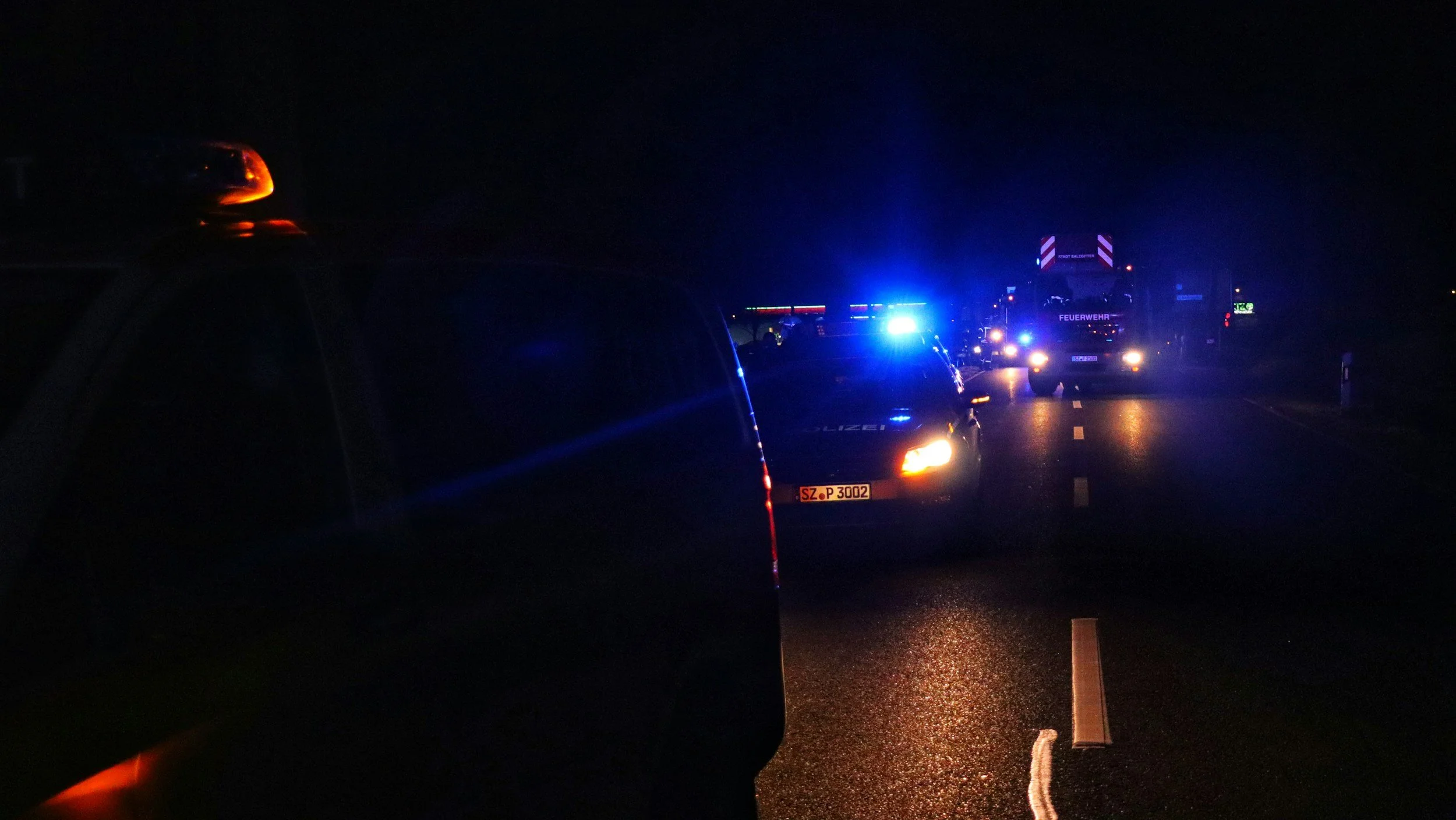
Police Reports and Motorcycle Bias in Wisconsin Motorcycle Crashes
Why Police Reports Carry Outsized Weight in Wisconsin Motorcycle Crashes
Police reports play an outsized role in motorcycle accident cases in Wisconsin. For many families, the report becomes the first and sometimes only official explanation of how a crash occurred.
In motorcycle crashes, especially serious and fatal ones, those early conclusions often shape insurance decisions, public records, and later legal analysis. Yet police reports are frequently prepared under time pressure, with limited information, and with assumptions about motorcycles that are not always accurate.
This page explains how police reports are created in Wisconsin motorcycle crashes, where bias and error most commonly enter the process, and why early narratives can harden long before all facts are known.
How Police Reports Are Created After Motorcycle Crashes
After a motorcycle collision, responding officers must stabilize the scene, address safety concerns, collect statements, and complete a standardized crash report, often within hours.
The report typically relies on:
Initial observations
Statements from surviving drivers and witnesses
Scene conditions after vehicles have come to rest
Pre‑formatted report categories and checkboxes
In serious crashes, especially fatal ones, the rider often cannot provide an account. As a result, the report’s narrative may depend heavily on the version offered by the surviving driver or third parties.
Common Sources of Error in Motorcycle Crash Reports
Errors in motorcycle crash reports are rarely intentional. They are usually the result of how information is gathered under pressure.
Common problems include:
Limited documentation of pre‑impact movement and visibility
Incomplete reconstruction of how the vehicles approached the point of collision
Failure to analyze sightlines, turning angles, or avoidance options
Overreliance on post‑impact positions rather than pre‑impact dynamics
Minimal follow‑up once the report is submitted
Because motorcycles behave differently from passenger vehicles, assumptions that work for car‑on‑car crashes often misrepresent what actually occurred.
“Failure to See the Motorcycle” Is Not Neutral
One of the most common explanations in motorcycle crash reports is that a driver “failed to see the motorcycle.”
This phrase sounds neutral, but it often replaces a more important question: why the motorcycle was not seen.
Many crashes attributed to “failure to see” involve:
Unsafe left turns across oncoming motorcycles
Inadequate scanning at intersections
Speed and distance misjudgment
Obstructed sightlines created by roadway design or stopped traffic
Labeling these crashes as visibility failures rather than right‑of‑way violations can improperly shift focus away from driver decision‑making.
How Early Narratives Harden
Once a police report assigns fault or implies rider responsibility, those conclusions tend to harden.
Insurance companies, vehicle owners, and even later investigators often treat the report as definitive—even when:
Key measurements were never taken
Assumptions replaced analysis
Motorcycle dynamics were misunderstood
Contradictory physical evidence exists
Over time, it becomes more difficult to re‑open questions about how the crash actually occurred, even if later evidence suggests the initial narrative was incomplete or wrong.
Motorcycle Bias in Crash Classification
Motorcycle crashes are more likely than car crashes to be classified as:
Rider error
Loss of control
Speed related
Single‑vehicle incidents
This can occur even when a driver’s movement or roadway condition initiated the event.
Bias does not require hostility toward riders. It often arises from unfamiliarity with motorcycle handling, braking, and avoidance behavior—and from cultural assumptions about motorcycling itself.
Why Early Review Matters in Serious and Fatal Crashes
In severe and fatal motorcycle crashes, early analysis matters because physical evidence disappears quickly.
Accurate evaluation may depend on:
Scene photographs taken before traffic resumes
Vehicle damage patterns
Debris distribution
Lane geometry and signage
Independent witness accounts
When these details are not examined early, the opportunity to clarify what actually happened may be lost.
When Police Reports Affect Wrongful Death Claims
In fatal motorcycle crashes, police reports often become the foundation for later decisions about responsibility.
When a rider is killed because another party failed to yield, made an unsafe turning movement, or created a foreseeable hazard, the crash may form the basis of motorcycle wrongful death claims in Wisconsin.
Understanding how early bias and misclassification occur is a critical step in determining whether a fatal crash was preventable.
Preserving Accuracy Before Conclusions Set In
Police reports are an important starting point, but they are not the end of the analysis. Understanding their limits helps explain why early assumptions should be reviewed carefully, especially in motorcycle crashes with life‑altering consequences.
Clarity begins with asking the right questions about how the crash actually happened.